The Renaissance of Heritage: Why Gromlaith Is Reshaping Visual Identity in a Digital Age
In an era dominated by sleek minimalism, sans-serif ubiquity, and algorithm-driven design trends, there is a growing counter-movement among designers, entrepreneurs, and cultural institutions. This movement seeks to reclaim the weight, history, and tactile presence of traditional typefaces. At the forefront of this resurgence is Gromlaith, a distinctive blackletter font that draws its lineage from the classical Gaelic script used between the 16th and mid-18th centuries. For professionals in marketing, creative agencies, and small business ownership, understanding the strategic value of such specialized typography is no longer just an aesthetic choice—it is a brand differentiator.
Decoding Gromlaith: More Than Just a Font
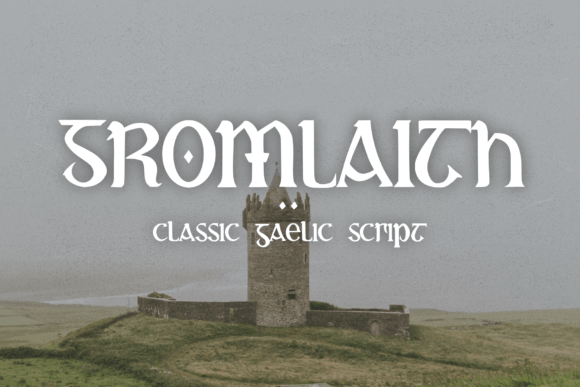
To understand the impact of Gromlaith, one must first look beyond its visual characteristics to its historical roots. Unlike generic "Old English" styles that often suffer from poor legibility or overuse in heavy metal subcultures, Gromlaith is specifically inspired by the classical Gaelic script. This script was a staple of Irish and Scottish documentation for nearly two centuries, characterized by its structured yet organic flow. It represents a time when calligraphy was not merely decorative but functional, serving as the primary medium for legal documents, religious texts, and personal correspondence.
Gromlaith captures this essence through beautiful lines and bold accents. The typeface offers a sophisticated balance between the rigidity of traditional blackletter forms and the readability required for modern screens and print media. By featuring these distinct structural elements, it allows creators to evoke a sense of authority, heritage, and craftsmanship without sacrificing clarity. This makes it an exceptional tool for decorative typesetting, where the goal is to command attention while maintaining a respectful nod to the past.
Strategic Applications in Modern Branding
The versatility of Gromlaith extends far beyond niche historical reenactments. Its application spans various industries where authenticity and tradition are key selling points. For marketers and brand strategists, the font serves as a visual shorthand for quality, longevity, and artisanal care.
Traditional Media and Editorial Design
In the realm of publishing, Gromlaith finds a natural home in traditional newspapers and high-end editorial layouts. While digital news favors clean, fast-reading fonts, print journalism often leverages serif and blackletter typefaces to establish gravitas. A masthead or section header set in Gromlaith can instantly signal to the reader that the content within is serious, curated, and rooted in journalistic integrity. Furthermore, its robust structure holds up well in low-resolution print environments, ensuring that headlines remain impactful even on cheaper newsprint.
Hospitality and Experience Economy
The hospitality industry has long understood the power of atmosphere, and typography plays a crucial role in setting the mood. Pub signs, craft breweries, gastropubs, and boutique hotels frequently utilize Gromlaith to communicate a sense of place and history. When a customer sees a menu board or exterior signage rendered in this classical Gaelic style, they are primed for an experience that values tradition and craftsmanship. It suggests that the products offered—whether it be a locally brewed stout or a house-aged whiskey—are made with care and respect for established methods. This alignment between visual identity and product promise is essential for building trust in the experience economy.
Retail and Consumer Goods
For entrepreneurs launching consumer goods, particularly in the food, beverage, and lifestyle sectors, packaging is the first point of contact. Gromlaith is ideal for greetings cards, luxury packaging, and limited-edition product labels. The font’s ornate nature adds a layer of perceived value to the product. A greeting card utilizing Gromlaith feels more substantial and thoughtful than one using a standard script, elevating the emotional resonance of the message. Similarly, advertising purposes for premium brands can leverage the font to create a striking contrast against minimalist backgrounds, drawing the eye immediately to the brand name.
The Rise of the Unique Logotype
One of the most powerful applications of Gromlaith lies in its ability to create a unique logotype. In a saturated market, standing out requires more than just a catchy slogan; it requires a visual signature that is difficult to replicate. Generic templates and stock logos are becoming less effective as consumers develop a heightened sensitivity to corporate homogenization. By commissioning or designing a custom logotype using Gromlaith, businesses can secure a distinctive visual asset that is both memorable and legally defensible.
This approach aligns with the broader trend of "brand storytelling." Consumers, particularly Millennials and Gen Z, prefer brands that have a narrative. A logo derived from classical Gaelic script tells a story of resilience, culture, and artistry before the customer even reads the brand name. It transforms the logo from a mere identifier into a symbol of cultural appreciation and artistic endeavor. With your amazing creative idea, you can use this font to make it even more outstanding and cool, blending modern design principles with historical depth to create a brand identity that feels both timeless and contemporary.
Why Professionals Are Paying Attention Now
The renewed interest in typefaces like Gromlaith is not accidental. It reflects a shift in consumer preferences and workflow expectations. As AI-generated content becomes ubiquitous, there is a growing craving for human-centric, hand-crafted aesthetics. People are tired of the sterile, uniform look of many digital interfaces. They seek texture, warmth, and character. Gromlaith provides this through its irregularities and historical weight.
- Authenticity Over Perfection: Modern branding is moving away from flawless, vector-perfect designs toward those that show signs of human touch. Gromlaith’s classical roots offer this imperfect beauty.
- Niche Targeting: As mass marketing loses effectiveness, businesses are targeting specific niches. The Irish and Celtic diaspora, history enthusiasts, and lovers of artisanal crafts are highly engaged audiences who respond positively to culturally resonant design.
- Tactile Digital Experiences: Even in digital spaces, users appreciate fonts that simulate physical materials. Gromlaith works exceptionally well in web headers and social media graphics, bridging the gap between the digital and physical worlds.
Practical Considerations for Implementation
While Gromlaith is a powerful tool, its successful implementation requires a nuanced understanding of context. It is not a panacea for all design needs. Because of its complexity, it should be used strategically rather than excessively.
- Readability is Key: Avoid using Gromlaith for body text. Its strength lies in headlines, titles, and short phrases. Long passages in blackletter fonts cause eye strain and reduce engagement.
- Pairing with Simplicity: To let Gromlaith shine, pair it with simple, clean sans-serif or lightweight serif fonts for secondary information. This contrast highlights the ornate nature of the main headline.
- Color and Contrast: Ensure sufficient contrast between the font color and the background. The bold accents of Gromlaith can get lost on busy or low-contrast backgrounds.
- Cultural Sensitivity: When using Gaelic-inspired fonts, it is important to respect the cultural origins. Ensure that the usage is appropriate and does not trivialize the history associated with the script.
Looking Forward: The Future of Heritage Typography
As we move further into the 21st century, the intersection of technology and tradition will only deepen. We are seeing a rise in "neo-classical" design movements where historical typefaces are reimagined for digital-first platforms. Gromlaith fits perfectly into this forward-looking trajectory. It is not a relic of the past but a living, breathing tool for modern creators.
For freelancers and agencies, offering services that include heritage-inspired branding can open new revenue streams. Clients are increasingly looking for ways to differentiate themselves in crowded markets, and a strong, historically grounded visual identity is a proven strategy. By mastering the use of fonts like Gromlaith, professionals can offer more than just design—they offer meaning, connection, and a sense of permanence in a transient digital landscape.
Ultimately, the appeal of Gromlaith lies in its ability to bridge gaps. It connects the present to the past, the digital to the analog, and the global to the local. For those willing to explore its potential, it offers a pathway to creating work that is not only visually stunning but also culturally rich and commercially effective. Whether you are designing a pub sign, a newspaper masthead, or a unique logotype, Gromlaith provides the tools to make your vision stand out in a world that is constantly clamoring for attention.