Tattoo Studio Font Evaluation
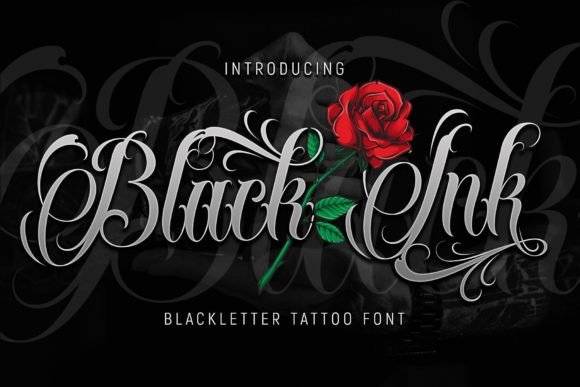
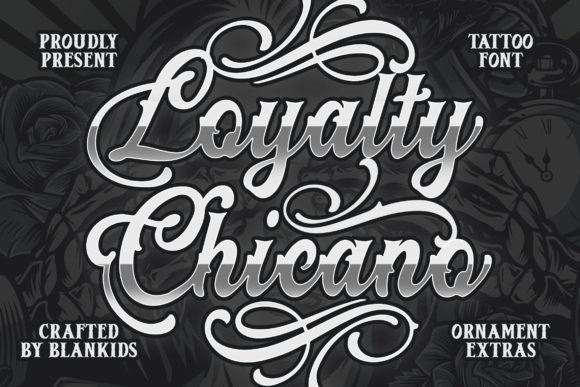
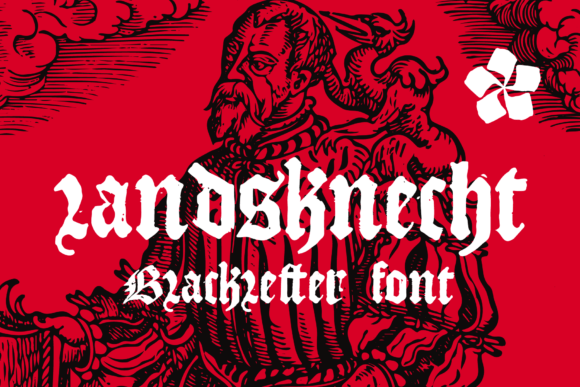
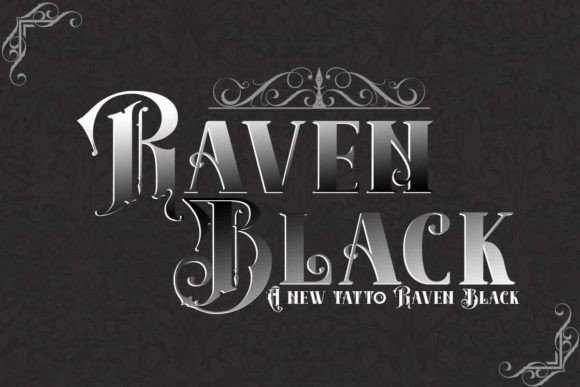
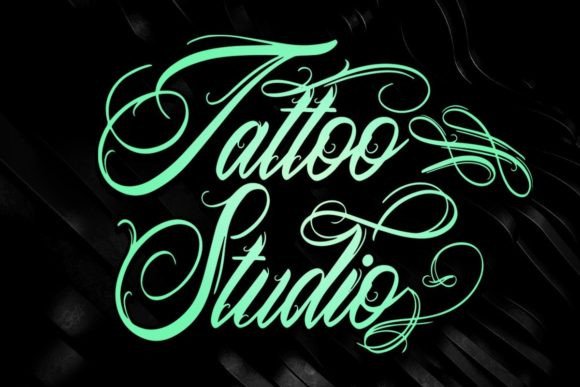
In the visual language of body art and alternative culture, typography plays a pivotal role in branding and identity. For tattoo artists, studio owners, and designers working within the punk, hardcore, or metal genres, selecting the right typeface is not merely an aesthetic choice but a functional necessity. It must convey authority, tradition, and edge while remaining legible across various mediums. Tattoo Studio is a blackletter script font that has emerged as a specialized tool for these creative professionals. Designed with a new and fresh style, it attempts to bridge the gap between historical calligraphic traditions and modern graphic design requirements.
This evaluation explores the characteristics, applications, and practical considerations of using Tattoo Studio in professional projects. By examining its design philosophy, kerning precision, and versatility, readers can determine whether this font aligns with their specific branding needs or if alternative solutions might serve their goals better.
Understanding the Design Philosophy
Blackletter, also known as Gothic script, has deep roots in European manuscript illumination and early printing. Historically, it conveys a sense of history, gravity, and sometimes aggression. However, traditional blackletter fonts often suffer from poor legibility at small sizes or inconsistent spacing, which can be detrimental in digital design or merchandise production. Tattoo Studio addresses these common pain points by introducing a "new and fresh style" to the genre.
The font is described as being made and designed in detail, emphasizing two critical technical aspects: the neatness of kerning and the subtlety of the shape. Kerning refers to the adjustment of space between characters. In complex scripts like blackletter, improper kerning can cause letters to collide or appear disjointed, ruining the visual flow. Tattoo Studio’s attention to this detail ensures that ligatures and character pairs sit naturally together, reducing the need for manual correction in design software.
The "subtlety of the shape" suggests that while the font retains the sharp, angular aesthetics associated with tattoo culture, it avoids excessive ornamentation that can clutter a design. This balance allows the font to function effectively as both a display element and a supporting text component in certain contexts, offering a level of refinement that distinguishes it from more rugged, low-fidelity alternatives.
Target Applications and Use Cases
The primary audience for Tattoo Studio includes tattoo artists, studio owners, and graphic designers specializing in subcultures such as punk, hardcore, and heavy metal. The font’s versatility makes it suitable for a wide range of deliverables:
- Studio Branding: Logos, business cards, and signage benefit from the font’s bold presence and professional finish. A well-kerned blackletter logo instantly communicates the studio’s niche without requiring additional explanatory graphics.
- Metal T-Shirt Designs: Apparel design in the metal and punk scenes relies heavily on typography. Tattoo Studio provides a clean, scalable option for band merch, ensuring that intricate letterforms remain crisp when printed on fabric.
- Promotional Materials: Flyers, posters, and social media assets require high-impact visuals. The font’s distinct style captures attention while maintaining readability, which is crucial for conveying event details or service offerings.
- Digital Portfolios: Artists showcasing their work online may use the font for headers or section titles to reinforce their brand identity consistently across web platforms.
By targeting these specific niches, Tattoo Studio positions itself as a specialized utility rather than a general-purpose typeface. Its design choices are intentional, prioritizing the visual languages of rebellion, craftsmanship, and heritage.
Benefits of Using Tattoo Studio
For designers and artists evaluating Tattoo Studio, several key benefits stand out. First, the efficiency in workflow is significant. Because the kerning is handled with care during the design phase, users spend less time manually adjusting character spacing in vector programs like Adobe Illustrator. This is particularly valuable when working under tight deadlines for client projects or merchandise runs.
Second, the font offers brand consistency. The subtle shaping of the characters ensures that the font looks cohesive whether used in large headlines or smaller subheads. This uniformity helps build a recognizable visual identity for tattoo studios and bands, which is essential for long-term marketing success.
Third, the aesthetic appeal is tailored to the target market. Unlike generic gothic fonts that may feel dated or overly ornate, Tattoo Studio’s "fresh style" feels contemporary. It respects the traditions of blackletter while adapting them for modern sensibilities, making it appealing to younger audiences who value authenticity but appreciate clean design.
Tradeoffs and Considerations
While Tattoo Studio offers distinct advantages, potential users should consider certain tradeoffs. As a display-oriented blackletter script, it is not ideal for body text. Like most decorative fonts, its complexity can reduce readability when used in paragraphs or dense information blocks. Therefore, it should be paired with simpler sans-serif or serif fonts for supporting content.
Additionally, the font’s specific stylistic choices may not suit all types of tattoo studios. Establishments focusing on fine-line realism, watercolor styles, or minimalist designs might find Tattoo Studio too aggressive or traditional. In such cases, a lighter weight or more geometric typeface might better reflect the studio’s artistic direction.
Licensing and availability are also practical considerations. As a specialized font, it may have usage restrictions regarding commercial projects, such as unlimited print runs or merchandise sales. Users must verify the license terms to ensure compliance, especially when designing for mass-produced items like t-shirts.
Alternatives and Decision-Making Insights
If Tattoo Studio does not fully meet your needs, several alternatives exist depending on your specific goals. For those seeking a more traditional, historical look, classic fonts like Cloister Black or Old English Text MT offer extensive character sets but may lack the modern kerning refinements. For a cleaner, more minimalist approach, fonts like Bebas Neue or Montserrat provide strong typographic presence without the decorative elements of blackletter.
When deciding whether to adopt Tattoo Studio, consider the following questions:
- Does my brand align with punk, metal, or traditional tattoo aesthetics? If yes, the font’s style is likely a strong fit.
- Do I prioritize ease of use in design software? If you frequently adjust spacing manually, Tattoo Studio’s pre-kerned nature could save significant time.
- Is legibility at small sizes a priority? If so, test the font at various scales before committing, as blackletter can become illegible when scaled down too far.
Ultimately, Tattoo Studio serves as a robust option for professionals in the tattoo and alternative music industries. Its detailed design, careful kerning, and fresh aesthetic make it a compelling choice for those looking to project a strong, authentic brand image. However, it is not a one-size-fits-all solution. Careful evaluation against your specific design constraints and brand values will ensure that it enhances your work rather than limiting your creative options.